



Introduction: The Many Faces of Writing
What is writing?
For some, it’s a way to put ideas on paper, a means of sharing thoughts with others, or a way to preserve history for future generations. For others, it’s simply another school assignment to complete.
When I was in school, writing instruction looked very different. We had handwriting classes (and yes, my penmanship is still questionable), typing lessons on actual typewriters 😳, and regular practice putting our ideas into words. Today, as someone who has worked in schools, I’ve seen how writing instruction is often minimized or replaced by technology. While digital tools can empower students with writing difficulties, they can also reduce opportunities to develop the underlying skills that make writing easier.
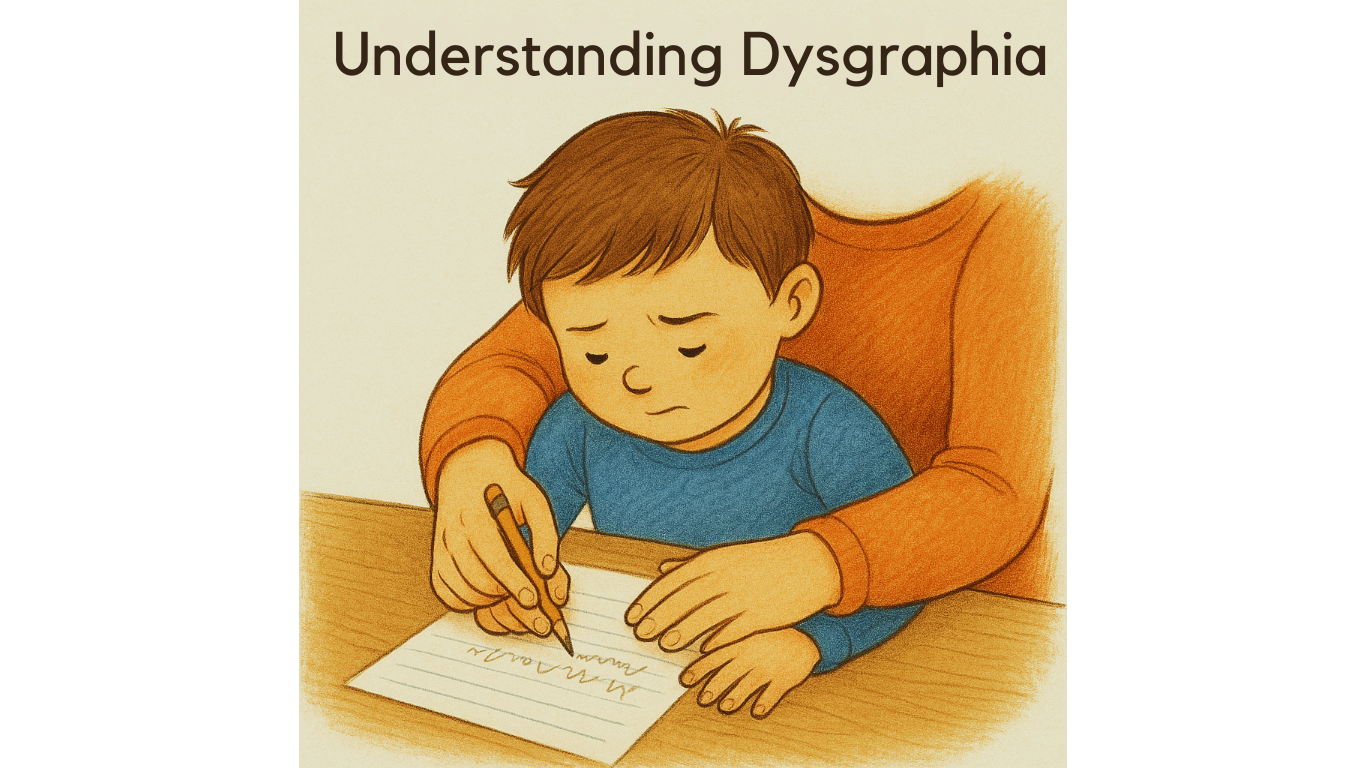
One of the challenges that has become increasingly recognized in recent years is dysgraphia – a learning disorder that affects writing skills.
What is Dysgraphia?
Dysgraphia is a neurologically based learning disability that affects handwriting, spelling, and written expression. It can make writing tasks slow, illegible, and frustrating, even for bright and capable individuals. This is not about laziness or lack of effort — it’s about the way the brain processes and executes written language.
How Common is Dysgraphia?
Determining prevalence can be tricky due to underdiagnosis and varying definitions. Research estimates:
– 3%–10% of U.S. school-aged children have a formal diagnosis of a written expression disorder.
– Broader surveys suggest 5%–20% struggle significantly with writing.
– Boys are diagnosed more often than girls, but many cases go unrecognized.
This means millions of children — and adults — are navigating life with writing challenges, often without knowing why.
Common Co-Occurring Conditions
Dysgraphia rarely exists alone. It often co-occurs with:
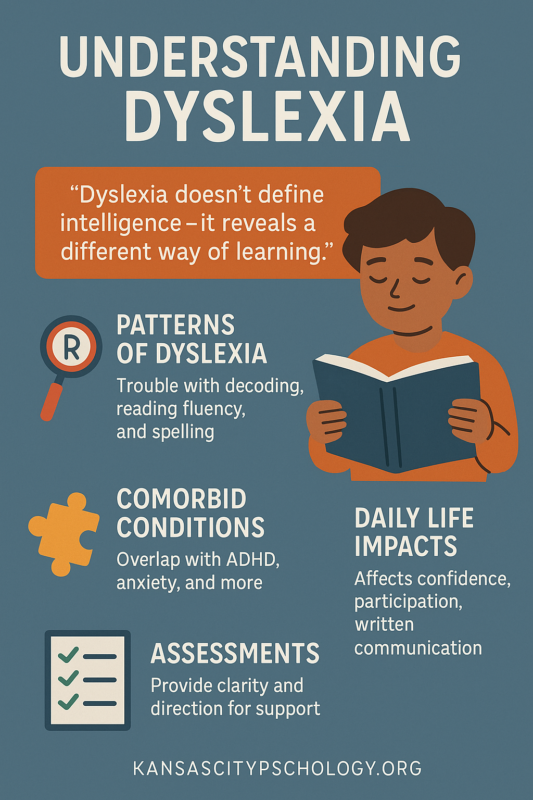
– Dyslexia (30%–47% overlap)
– ADHD and Autism (90%–98% experience writing challenges)
– Developmental Coordination Disorder (~50% have writing difficulties)
– Anxiety, low self-esteem, and depression
Because of this, comprehensive assessments are essential — identifying co-occurring conditions can help create a more effective support plan.
How Dysgraphia Affects Life
In School: Dysgraphia can make note-taking, completing assignments, and keeping up with written tests extremely difficult. Teachers may misinterpret sloppy handwriting as a lack of effort, and students can quickly lose confidence.
In College: Fast-paced lectures and writing-heavy coursework can be overwhelming without accommodations such as note-taking assistance or speech-to-text tools.
At Work: Careers requiring written documentation can pose challenges, even in the age of computers. Everyday tasks like filling out forms, taking meeting notes, or writing quick messages can be sources of stress.
Without proper support, dysgraphia can limit academic performance, career advancement, and self-esteem — but with the right strategies, individuals can thrive.
How an Assessment Can Help
A comprehensive psychological or educational assessment can provide a detailed understanding of a person’s writing difficulties. It can help determine whether challenges are due to dysgraphia or another condition, and can also identify any co-occurring concerns such as ADHD or dyslexia. The results of the assessment can be used to provide the documentation necessary for school or workplace accommodations, ensuring the individual receives the support they need. Additionally, the assessment guides the development of a personalized intervention plan, which may include occupational therapy, strategy training, and the use of assistive technology. While early identification offers the best opportunity for minimizing the impact of dysgraphia, it is never too late to seek answers and support.
Evidence-Based Supports
There are a variety of evidence-based supports that can make a meaningful difference for individuals with dysgraphia. Educational accommodations, such as extended time, a reduced writing load, and alternative ways to demonstrate learning, can help level the playing field. Occupational therapy can target fine motor control, pencil grip, and letter formation, while assistive technology tools—such as speech-to-text software, typing, and specialized writing apps—offer practical ways to bypass mechanical writing challenges. Structured writing programs, like Self-Regulated Strategy Development (SRSD), teach students how to plan, organize, and revise their writing effectively. At home, low-pressure activities such as journaling, creative writing games, and consistent practice in a supportive environment can build confidence and reinforce skills.
Reach out today, let us help…